
Intelligence and the DNI
Another decade in a week

This week, the Director of the National Counter Terrorism Center (NCTC), Joe Kent, resigned. I am not going to spend too much time on him or his reasons. There was a lot in his resignation letter and he is on a media blitz that is sure to make the President very unhappy. What the resignation also gave us is congressional testimony from Tulsi Gabbard, the Director of National Intelligence (DNI).
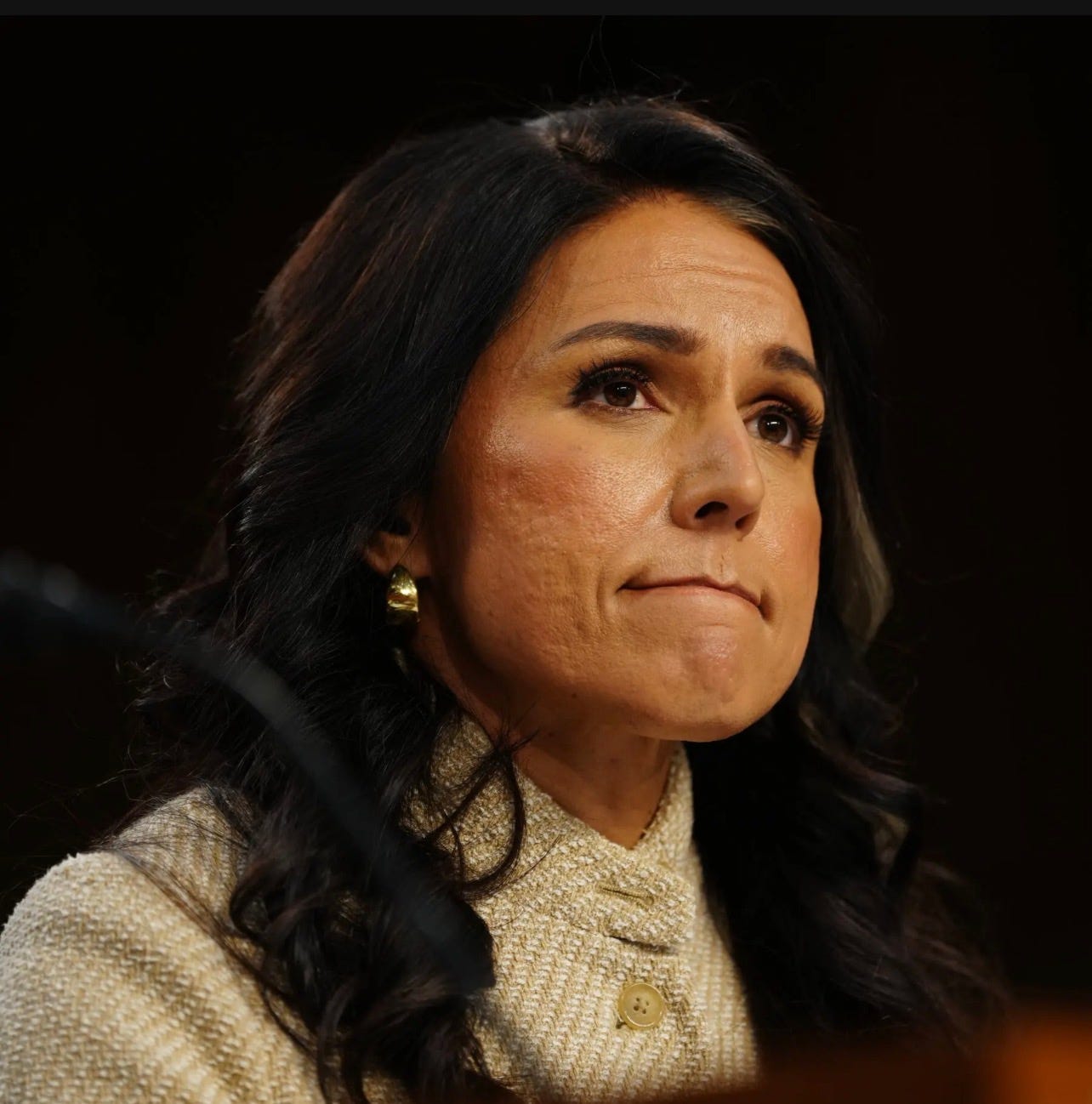
From the NYTimes:
She had the unenviable task at a Senate Intelligence Committee hearing on Wednesday of squaring Mr. Trump’s comments about an urgent nuclear threat from Iran with a letter from one of her trusted aides that the country posed no “imminent threat.”
Her answer? Only the president can decide what is an “imminent” threat.
There is a lot wrong with her claim that only the president can determine an imminent threat. The most fundamental is she completely misrepresents what the DNI is
Quick history of the DNI
Prior to 2004, there were 17 organizations that formed the intelligence community. These range from the well know, CIA, to the less well known, Department of the Treasury’s Office of Intelligence and Analysis. These disparate organizations, each with their own buracracy, focus, and charter, failed to stop the September 11th 2001 attacks on the Pentagon and Twin Towers. In response, Congress passed The Intelligence Reform and Terrorism Prevention Act, mandating information sharing and creating the Office of the Director of National Intelligence (ODIN).
Today, Tulsi Gabbard is the DNI. It is important to understand what the DNI should do with intelligence.
SEC. 102A. (a) PROVISION OF INTELLIGENCE.—(1) The Director of National Intelligence shall be responsible for ensuring that national intelligence is provided—
‘‘(A) to the President;
‘‘(B) to the heads of departments and agencies of the executive branch;
‘(C) to the Chairman of the Joint Chiefs of Staff and senior military commanders;
‘‘(D) to the Senate and House of Representatives and the committees thereof; and
“(E) to such other persons as the Director of National Intelligence determines to be appropriate.
‘‘(2) Such national intelligence should be timely, objective, independent of political considerations, and based upon all sources available to the intelligence community and other appropriate entities.
Providing intelligence is fundamentally different than providing information. That is what Ms. Gabbard claimed her job was when she said only the Presidente can assess the threat. Information is raw, unprocessed data that can be taken out of context or misunderstood. Intelligence is a product about the intentions of an enemy to do harm to the nation.From the DNI website, “Intelligence can provide insights not available elsewhere that warn of potential threats and opportunities, assess probable outcomes of proposed policy options”.
Preventing attacks against America was why Congress created the DNI, charged it with being apolitical, and placed it over the intelligence community. That is the sole reason for existence. That the DNI should provide the president with the best intelligence the IC without political influence is also important to keep the nation safe from attack.
In the end, the President can take a briefing, the President’s Daily Brief, for instance, disagree, and decide to act in the way he thinks best. The restraints on that power are legislative and judicial only. But, the DNI claiming the President is also the intelligence analyst and chief is an abdication of her position.
I’ve got a lot of love and respect for Ms. Gabbard. She has proven herself time and time again to put principle over party. I watched the hearing. I searched desperately for a charitable outlook on her comment about “imminence.” I came up empty handed.
In 28 years in the military, I cant remember receiving a single intelligence briefing about a particular threat in which intelligence professionals didn’t mention “indicators of imminence.”
Hopefully she circles back and addresses her comment. Then I hope she answers the original question.