
Taiwan

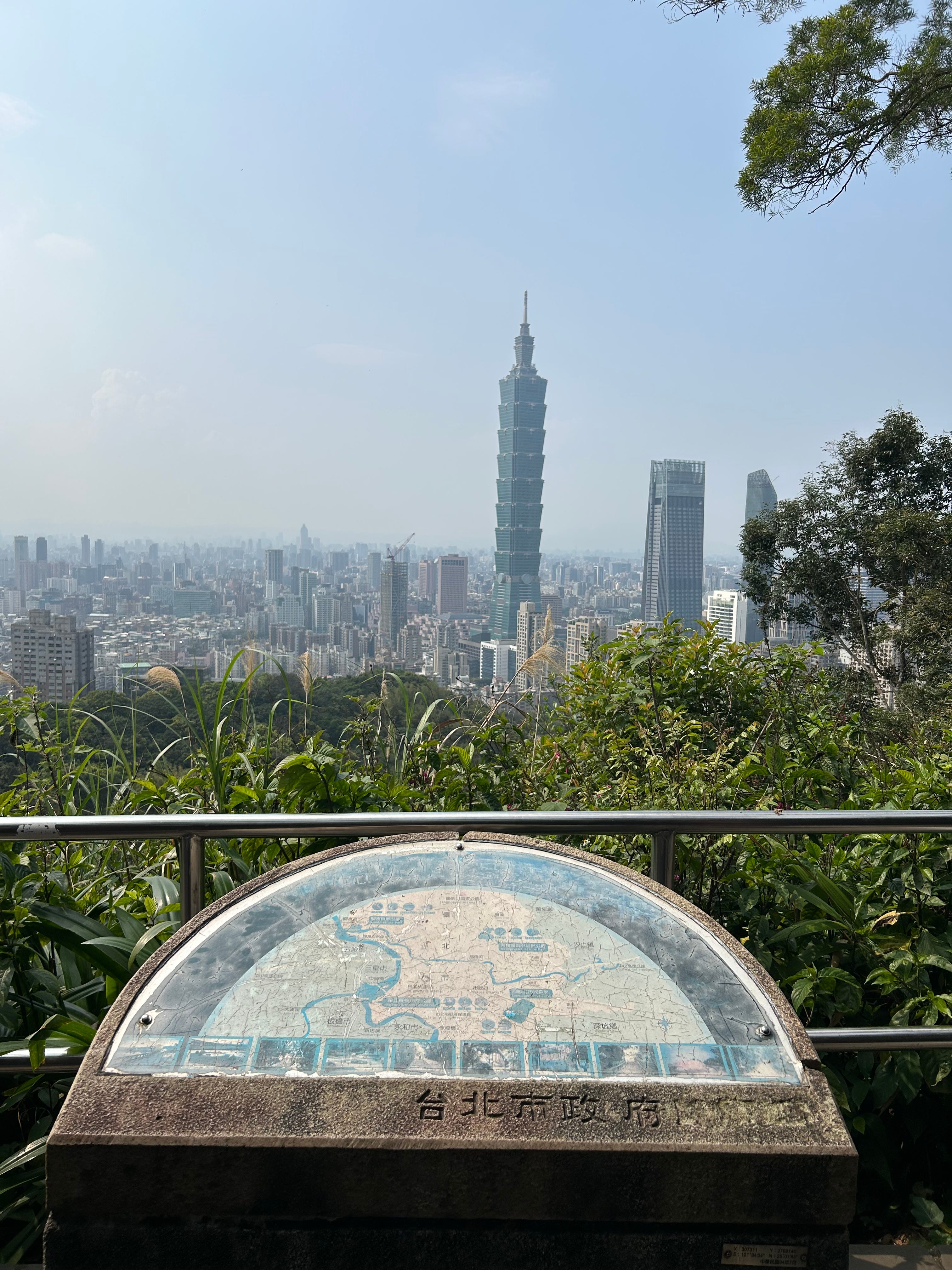
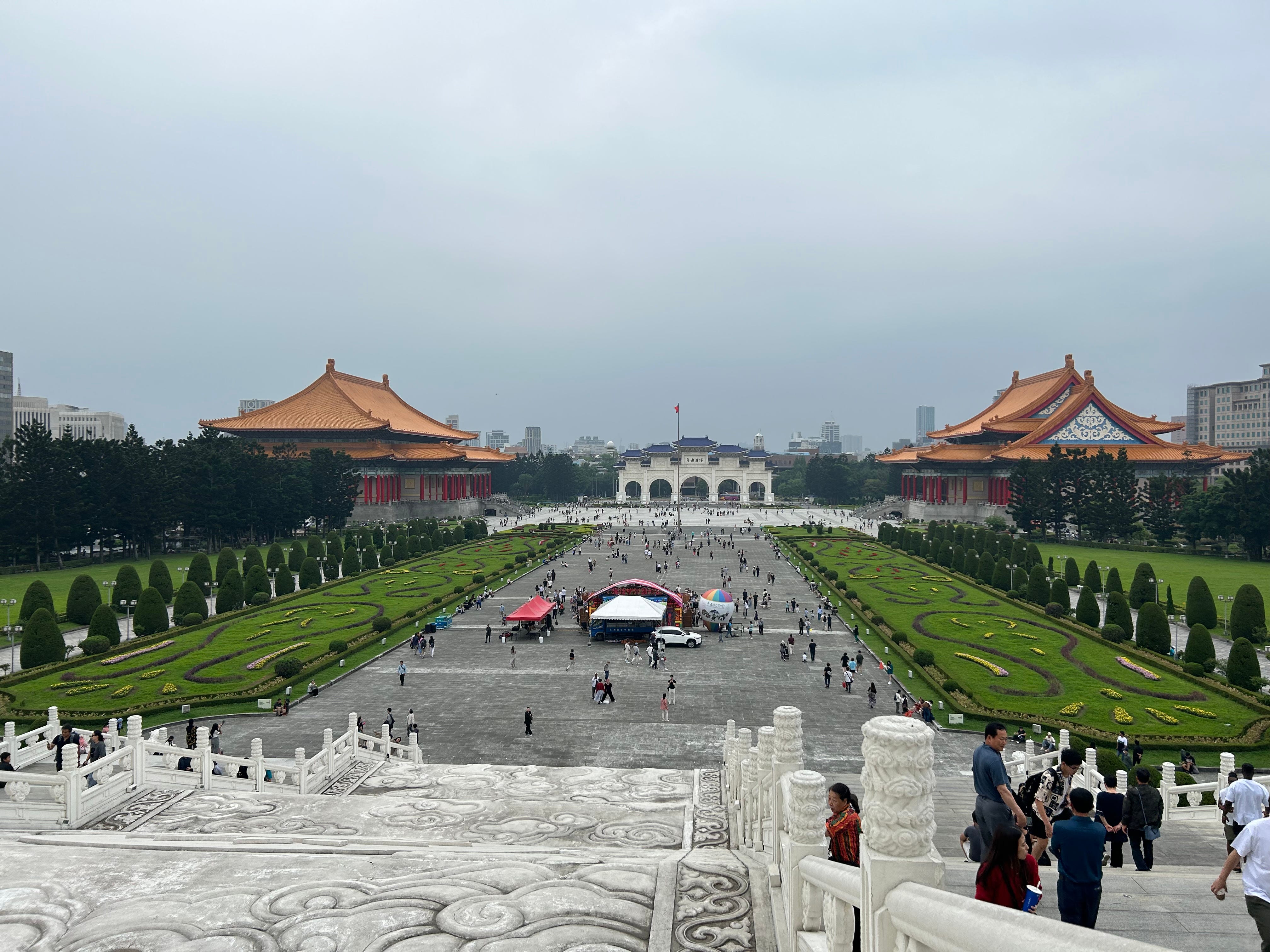
I felt it first on a bike in Taipei. The city moves fast, but it does not shove you, it flows. Taipei, like many large Asian cities, is busy. I never felt the same crush of people or rush of time in Taipei that I felt in Tokyo or Bangkok. I would not have ridden a bike around many districts of Tokyo, but I felt comfortable doing that in Taipei. That is not to say that people are more or less busy, just that there is a feeling of flow, in traffic and on the metro and trains, that made moving through the city feel easier, and honestly enjoyable.
I have written often about Taiwan. The most obvious reason for this is that it is a potential flashpoint between the U.S. and China. Another reason is that Taiwan is central to the silicon economy and modern tech industry, which I also write about extensively. The most compelling reason, for me, that I write about Taiwan is, I like the country. Taiwan is a product of an amalgamation of cultures and history to produce something that is cultural distinct from any place I have traveled.
The people, the terrain, the mixture of technology and tradition were impressive to me. The country is as filled with contradictions and challenges as it is with warm and inviting people.
I enjoyed the quick access to green spaces. Even in Taipei, access to green spaces was easy. I routinely ran along the Keelung River and the numerous riverside parks (Meiti and Dajia were my favorite) always had people playing croquet, riding bikes, or just lounging at the parks. There were down sides. Taipei, unlike Tokyo when I visited, had a more visible homeless population. This was the most noticeable along the river. It was clearly a society that cared for its citizens, but that people could fall out of.
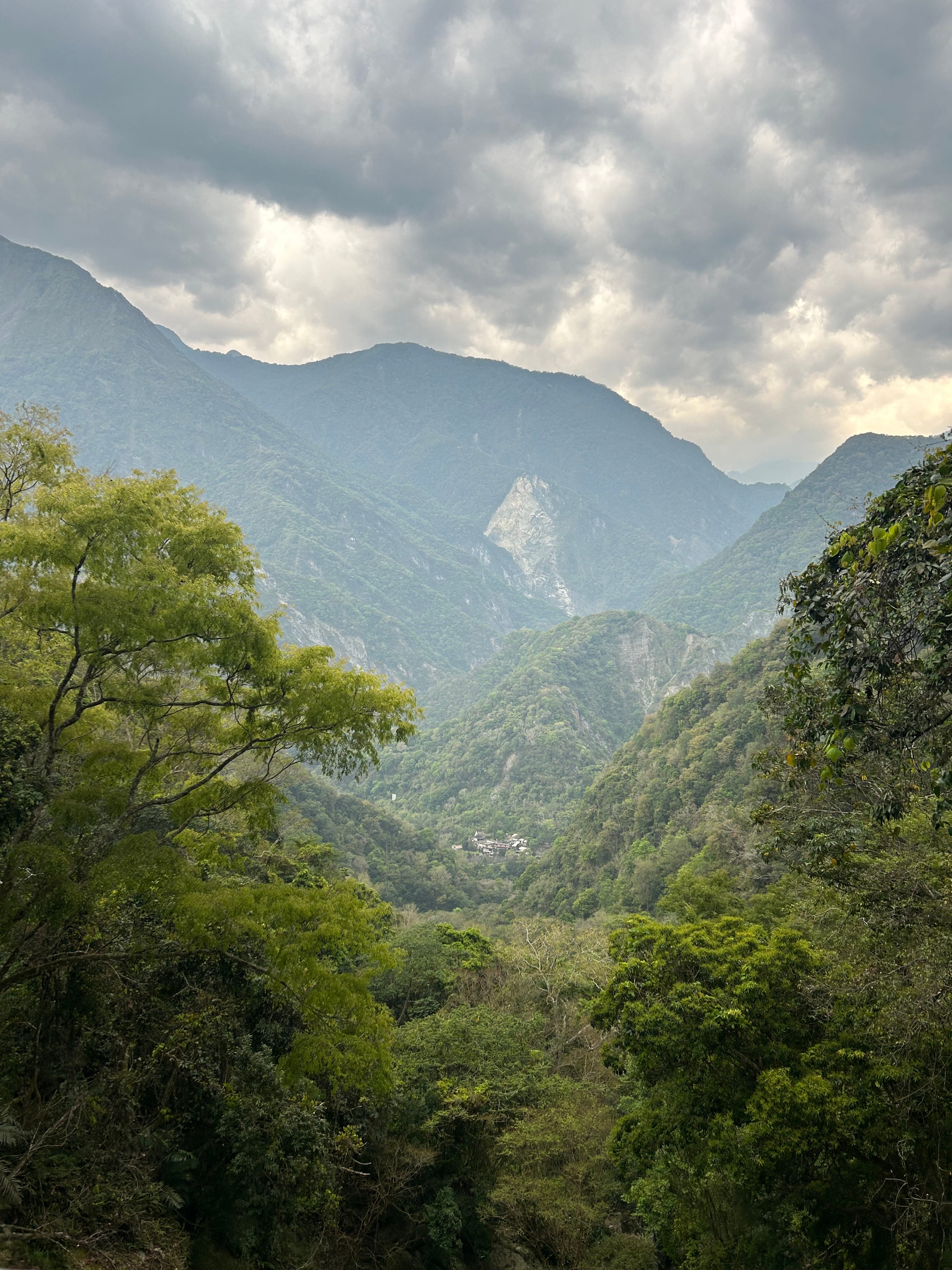
Hiking and camping in Taroko Gorge was one of the highlights of my time. The road from Taipei to Taroko is a series of tunnels. I was there the weekend before a 7.4 magnitude earthquake struck, making the roads and tunnels impassable. The weekend prior to the earthquake, I was scrambling over rock faces and camping at one of the many platform sites across the country. The environment is rugged. The mountains and cliffs go up steeply from the coast and there are dense forest covering most of the valleys. The first night camping there, I went into the nearest town to get something to eat. The beef noodle shop closed as I walked up, but the owners pulled me inside and gave me a massive bowl of soup. We joked and talked about the area and the tourists; a tour bus was just pulling away from the shop when I first walked up. It was idyllic.
The earthquakes are part of the daily life. It was impressive seeing how quickly recovery teams started moving and getting people out of areas. They rapidly set up a national disaster center and had rescue workers and military working hand in hand to rescue people. Taiwan, despite its flow, or maybe because of it, is resilient. The people genuinely are friendly and want to help.
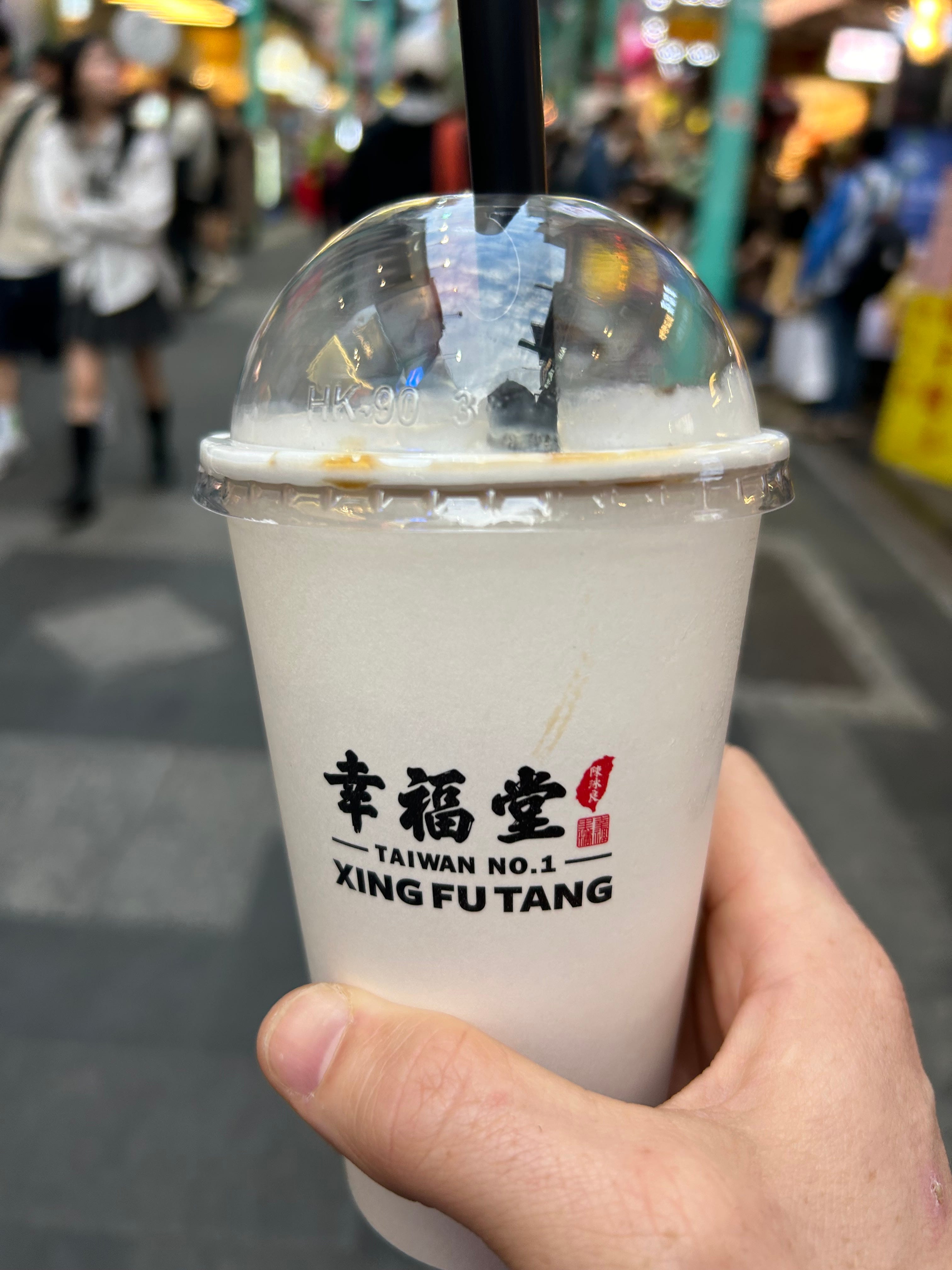
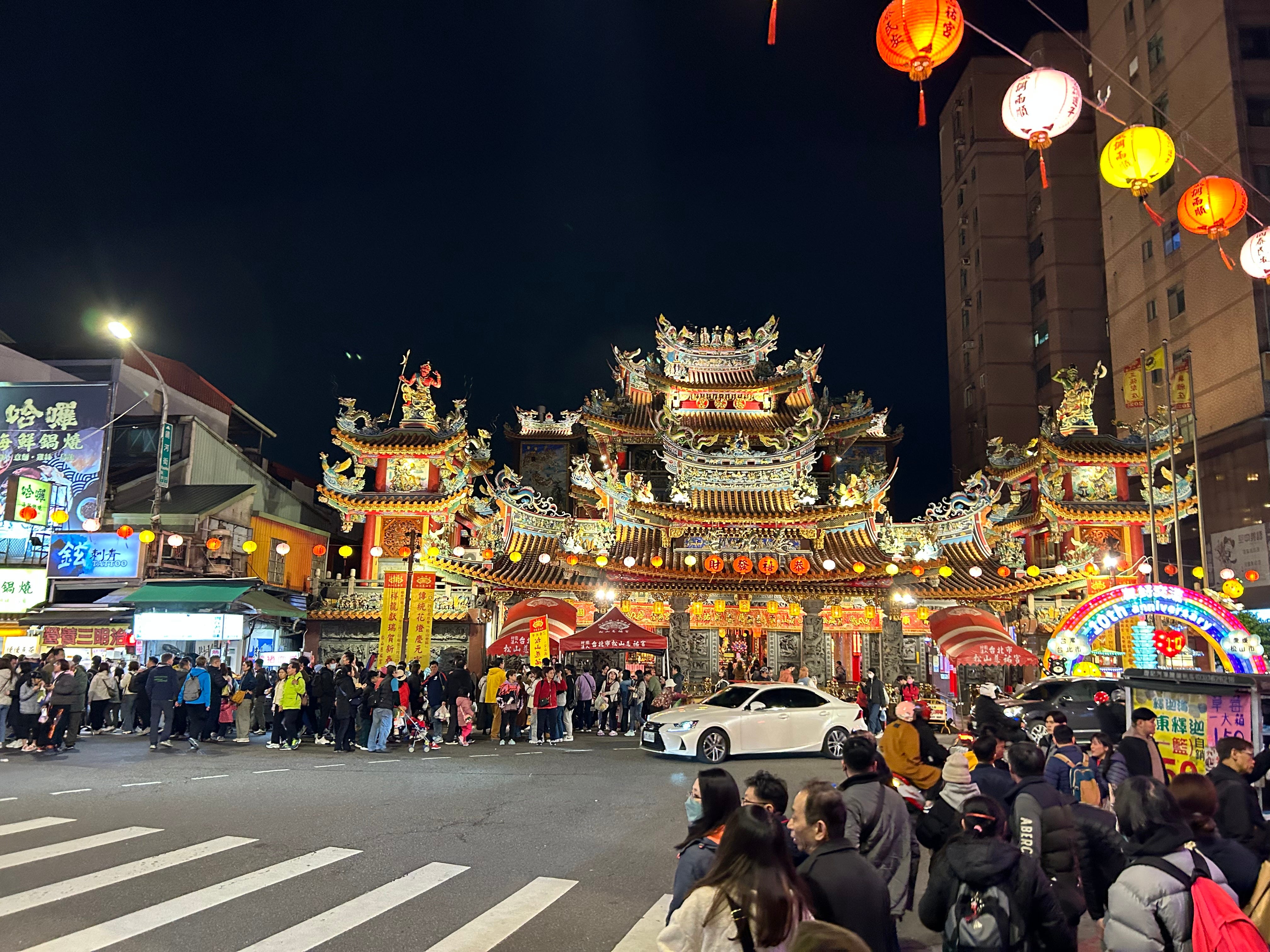
The food around Taipei and much of the country is great. Good sushi and beef noodle soup was easy to find, and the night markets are filled with small discoveries and good food.
Taiwan matters. Geopolitically, it matters because of silicon and tech, but more than that it matters because it is the people. Living there, even for just a few months, left a lasting impression.
This is another in an episodic, but recurring, series of writing about travel and places I have gone. I have written about Thailand, Jordan, and the PNW.